
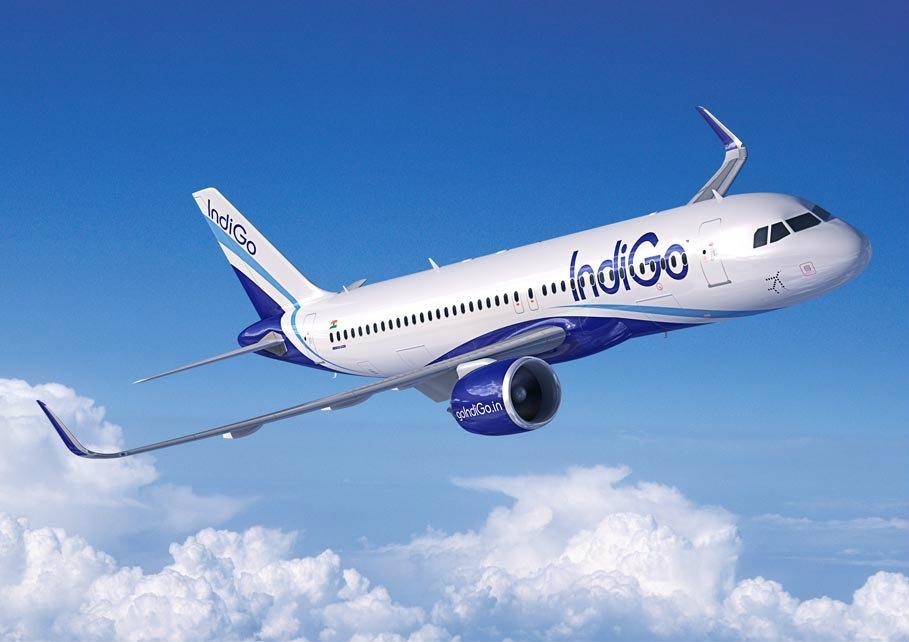
The Story
We know this IndiGo saga has been impossible to miss. For nearly a week, it’s dominated headlines, tickers, and panel discussions. And at first glance, it feels like there’s little left to say beyond what’s already been reported.
But the more this crisis unfolded, the more one question stood out, not just what went wrong, but whether IndiGo can actually be held accountable in any meaningful way.
You’ve probably heard the Civil Aviation Minister, K. Ram Mohan Naidu, promise strict action to “set an example.” Strong words, no doubt. But do they translate into consequences that genuinely hurt India’s largest airline? Or are they just statements meant to calm public anger?
To understand that, you have to rewind the tape.
How a Rule Change Triggered a Breakdown
In January 2024, the DGCA introduced revised Flight Duty Time Limitation rules. These regulations govern how long pilots can be on duty, how many hours they’re allowed to fly, how many night landings they can perform, and how much rest they must get between shifts. The intent was clear to reduce pilot fatigue and bring Indian aviation closer to global safety standards.
The changes were significant. Weekly rest requirements increased from 36 to 48 consecutive hours. The definition of “night duty” was extended. Permissible night landings were cut from six to just two. Airlines were barred from assigning more than two consecutive night duties. On top of that, they had to adjust rosters and submit quarterly fatigue reports.
Naturally, this meant fewer flying hours per pilot. And that meant airlines would need more crew and tighter planning. The DGCA recognised this and allowed a phased rollout, initially slated for June 2024, then postponed to a gradual implementation from July through November.
Most airlines adjusted. Air India, Akasa Air, and SpiceJet reworked schedules, added buffers, and absorbed the costs. It wasn’t painless, but it was managed.
IndiGo, however, appears to have taken a very different approach.
Where IndiGo Stumbled
According to multiple reports, IndiGo failed to make timely roster adjustments. It didn’t plan adequately for the reduced duty hours. At the same time, it ramped up capacity by increasing departures by around 10% compared to the previous winter and about 6% over the summer schedule. There were even allegations of a hiring freeze, despite knowing that the new rules would require more pilots.
So when the revised FDTL norms finally kicked in, IndiGo simply didn’t have enough crew to operate the flights it had scheduled.
The fallout was brutal. On-time performance dropped to 68%. More than 1,000 flights were cancelled after December 2. Passengers were stranded, airports clogged up, and delays cascaded across the network.
Some analysts went as far as calling it a symptom of monopolistic behaviour suggesting that IndiGo may not have treated the rules with urgency because it knows the system depends on it. When a single airline controls over 60% of the domestic market, its operational failure doesn’t stay contained. It paralyzes the entire industry.
How Did IndiGo Become So Dominant Anyway?
This inevitably raises a deeper question. How did regulators allow one airline to become so dominant in the first place?
The uncomfortable truth is no one “allowed” it. IndiGo earned its dominance by simply playing the airline business better than everyone else, especially in three key ways.
The first was its famous sale and leaseback strategy. IndiGo placed massive aircraft orders years in advance, securing steep bulk discounts. When the planes were delivered, it sold them to leasing companies at prevailing market prices and immediately leased them back. The price difference translated into instant cash, effectively acting as low-cost working capital. Rivals placing smaller orders never got the same discounts and couldn’t replicate this cash buffer.
The second advantage was ruthless simplicity. IndiGo largely stuck to a single aircraft family, the Airbus A320s. That meant pilots, engineers, and spare parts were interchangeable across the fleet. Other airlines juggling both Airbus and Boeing aircraft faced higher training costs, operational inflexibility, and more complexity. IndiGo avoided all of that.
But the most powerful lever was asset utilisation. IndiGo turned quick turnarounds into an art form. While most airlines needed around 45 minutes on the ground, IndiGo often managed in 20–25. More flights per aircraft per day meant fixed costs like salaries and leases were spread thinner. This drove down its cost per seat kilometre, allowing cheaper fares, higher capacity, and stronger profitability.
Add aggressive unbundling: seat selection fees, convenience charges, paid meals and you have an airline that stayed profitable while others struggled to survive.
IndiGo’s dominance didn’t come from regulatory favour. It came from execution. Passengers chose it because it was cheaper, faster, and more reliable.
When Dominance Turns Fragile
But dominance cuts both ways. IndiGo may have built its position through strategy, but it slipped badly when it came to compliance. Whether through overconfidence or poor planning, it failed to align with the revised FDTL rules and the entire system paid the price.
To stabilise operations, the DGCA stepped in with an extraordinary measure: a one-time relaxation. IndiGo was allowed to temporarily operate under older pilot-duty norms until February 2026.
In plain terms, it got a lifeline.
The problem? No other airline got one. Air India, Akasa, and SpiceJet had already complied hiring more crew, reworking schedules, and absorbing higher costs. IndiGo didn’t. Yet IndiGo received the exemption.
That’s why the situation feels uncomfortable. On the surface, it looks like an abuse of dominance rewarded, not punished.
Why Punishing IndiGo Isn’t So Simple
So why can’t the Competition Commission or the government step in and penalise IndiGo properly?
Because the exemption came directly from the sector regulator. Under Indian law, when a regulator explicitly allows something in the “public interest,” the CCI usually won’t interfere. In this case, the government effectively sanctioned the imbalance because the alternative was worse.
If IndiGo stops flying, the system collapses. No airline can absorb 60% of domestic traffic overnight. Even redistributing airport slots wouldn’t help much, demand has already pushed fares sky-high, and passengers are left with few real options.
Sure, IndiGo’s stock may wobble. Rating agencies may issue warnings that raise borrowing costs. But these are paper cuts, not knockout punches.
And there’s a bigger risk ahead.
Hiring pilots isn’t fast. Notice periods are long, training takes time, and poaching isn’t easy. When the exemptions expire in 2026, IndiGo could face the same staffing crunch all over again possibly forcing the regulator to grant yet another extension.
Punishing IndiGo too harshly would hurt the broader aviation ecosystem far more than the airline itself.
Where the Real Fix Lies
The real solution doesn’t lie in targeting IndiGo. It lies in fixing the system.
India needs lower entry barriers, simpler regulations, and far lower operating costs. Fuel taxes and airport charges alone make up nearly 40% of an airline’s expenses. With economics like that, survival, let alone competition becomes incredibly hard.
Until those structural issues are addressed, new airlines won’t enter meaningfully, competition won’t deepen, and crises like this will keep repeating.
The government may insist there’s room for five strong airlines in India. But until the system makes that possible, we’ll keep watching one airline dominate, not because it’s favored, but because the runway is stacked against everyone else.